How Visitor Behavior Tracking Transforms Your Website Strategy
Every website tells a story. The question is whether you are reading it correctly. Too many site owners look at raw numbers like page views and bounce rate without understanding the human decisions behind them. That is where visitor behavior tracking comes in. It moves you from counting clicks to understanding intent.
I have spent years working with digital analytics, and one thing is clear: the difference between a site that converts and one that frustrates often comes down to small details. A button placed one pixel too low. A form field that asks for too much information. A page that loads slowly on mobile. These are not guesses. They are measurable signals that visitor behavior tracking can capture and translate into actionable changes.
Why Raw Data Is Not Enough
Standard analytics dashboards give you numbers: page views, session duration, bounce rate. But those numbers are like knowing the speed of a car without seeing the road. You know someone left, but not why. You know they stayed for three minutes, but not what they were looking at.
Visitor behavior tracking fills that gap. It combines quantitative data with qualitative insights. You see where people click, how far they scroll, where they hesitate, and where they drop off. This changes the conversation from "Our bounce rate is 65 percent" to "Users land on our pricing page, scroll to the table, and then leave without clicking any plan." That second statement is something you can fix.
The Tools That Make It Possible
There is no shortage of tools for this kind of work. Google Analytics remains a foundation for traffic source analysis and goal completion tracking. But to understand behavior, you need more. Heatmaps show you where users concentrate their attention. Session replays let you watch a recording of a real person navigating your site. Click-tracking reveals which elements they interact with and which they ignore.

I have used both Hotjar and Mouseflow extensively. They each offer slightly different interfaces, but the core value is the same: they turn anonymous visits into observable human behavior. With session replays, you can watch someone struggle to find the search bar, click the wrong link three times, and then give up. That is something a bounce rate will never tell you.
Event tracking takes this further. Instead of just counting page views, you can track specific actions: a button click, a form submission, a video play. These events map directly to your conversion funnel. You start to see exactly where the funnel leaks and which pages are performing best at moving users toward goal completion.
Moving Beyond Assumptions
Before I started using real-time analytics and user journey mapping, I made a lot of assumptions. I thought a page was clear because I understood it. I thought a call-to-action was visible because I had designed it. Visitor behavior tracking humbled me. I remember one client who was convinced that their homepage was too long. The data showed the opposite. Users who scrolled all the way down had a much higher conversion rate. The scroll depth numbers proved that the length was not the problem. The problem was that the content in the middle was not engaging enough to keep people moving.
That kind of insight is common once you start watching real behavior. You discover that what you think is working often is not, and what you think is failing sometimes is not. It is a shift from ego-driven design to evidence-driven design.
Qualitative and Quantitative Together
Quantitative data tells you what happened. It says: 200 people visited the pricing page, 20 clicked the "Buy Now" button, and the average time on page was 45 seconds. That is useful, but it is incomplete. You still do not know why the other 180 people did not click. Maybe the button was below the fold. Maybe the price was too high. Maybe the page loaded slowly and they left before seeing the offer.
Visitor behavior tracking adds the qualitative layer. Heatmaps show that only 30 percent of visitors scroll far enough to see the button. Session replays confirm that many users scroll down, see the table, and then scroll back up without clicking. Suddenly the problem is clear: the button needs to be higher on the page, or the pricing table needs to be more compelling. Without that second layer of insight, you would be guessing.
The Right Way to Use Session Replays and Heatmaps
Session replays are powerful, but they require discipline. Watching a few random sessions can give you a false sense of confidence. You need to watch enough to see patterns. I usually start by segmenting users. I look at sessions where people completed a goal and sessions where they did not. Comparing the two often reveals the exact moment things go wrong.
Heatmaps are faster to read but easier to misinterpret. A hot area might mean people are interested, or it might mean they are confused and clicking around. That is why you should always pair heatmaps with click-tracking and event tracking. If a heatmap shows heavy clicking on a non-clickable element, you have a design problem. If it shows heavy clicking on a link that goes nowhere useful, you have a content problem.
Privacy and Consent in the Age of Tracking
None of this works without trust. Visitor behavior tracking must be done responsibly. Cookie consent is not optional. GDPR compliance is not a checkbox you can ignore. Users have a right to know what data you collect and how you use it. I have seen sites lose credibility because they hid their tracking behind vague language or made it hard to opt out.
The best approach is transparency. Tell people why you track behavior. Let them control what is collected. And never store personally identifiable information unless you have explicit consent. Tools like Hotjar and Mouseflow offer privacy features that help. They can anonymize IP addresses, disable recording on sensitive pages, and let you set data retention limits. Use them.
Remember that trust is a competitive advantage. If users know you respect their privacy, they are more likely to engage honestly with your site. That makes your visitor behavior tracking more accurate and more useful.
Applying Insights to Real Improvements
The whole point of tracking behavior is to improve the user experience and drive better business results. A/B testing is the natural next step. Once you see from session replays that users are ignoring your primary button, you create a variant. Maybe you change the color, the copy, or the position. Then you test it against the original. The data tells you which version performs better.
I have run A/B tests that increased conversion rates by 20 percent based on nothing more than a heatmap observation. One test involved moving a testimonial from the bottom of the page to just above the form. The heatmap showed that users were reading the testimonial but never reaching the form. By bringing the two closer together, goal completion jumped significantly.
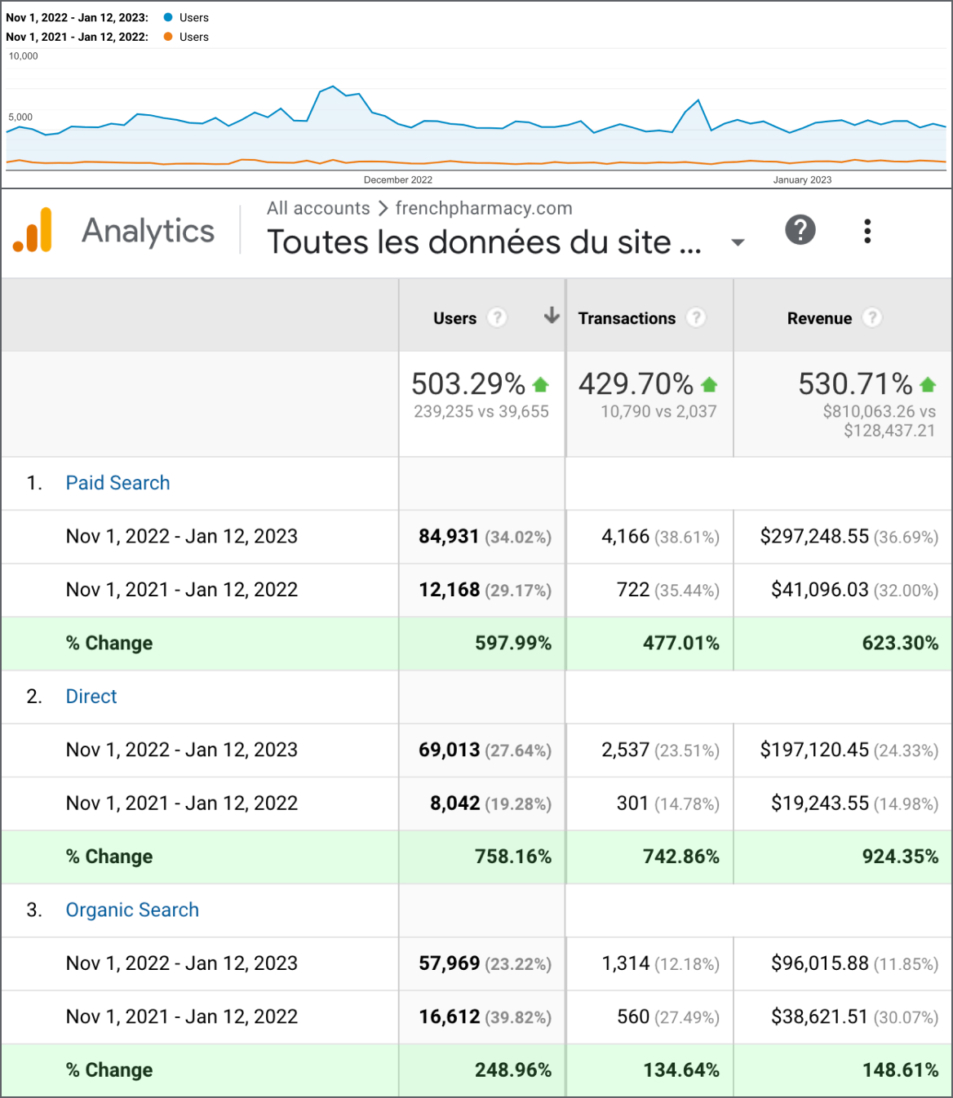
Traffic source analysis also plays a role. Not all visitors behave the same way. People from organic search often have different intent than people from social media. By segmenting your visitor behavior tracking by traffic source, you can tailor pages to match expectations. If users from a specific campaign are bouncing quickly, you might need to align the landing page message with the ad copy.
Building Long-Term Understanding
One of the less discussed benefits of consistent behavior tracking is the ability to build LTMs, or long-term memories. Over months and years, you accumulate knowledge about what works for your specific audience. You learn that certain page layouts consistently outperform others. You notice seasonal shifts in behavior. You develop instincts that are backed by data, not just intuition.
This is where real expertise lives. It is not about one magical insight from a single session replay. It is about the cumulative understanding that comes from watching, testing, and refining. It is about knowing that your users tend to scroll less on mobile, so you put key information higher. It is about knowing that a certain industry segment responds better to social proof than to feature lists.
Visitor behavior tracking is not a one-time project. It is a practice. The more you do it, the better you get at reading the signals and turning them into improvements.
Final Thoughts
If you are still making website decisions based on gut feeling or high-level dashboard numbers, you are leaving money and trust on the table. The tools are accessible. The methods are proven. The only missing piece is the willingness to look closely at what your visitors are actually doing.
Start small. Pick one page that matters to your business. Set up heatmaps and session replays. Watch ten sessions. Look for patterns. Then make one change based on what you learned. Test it. See what happens. That cycle of observe, hypothesize, test, and refine is the engine of good digital marketing. Visitor behavior tracking is the fuel that powers it.